
Emily is a co-founder of Burst, writes about moringa nutrition, sourcing and supplement quality, drawing on research into plant-based wellness and everyday nutrition.
Amino acids and fatty acids support the skin barrier and collagen production, aiding hydration and firmness. Most people notice texture and hydration improvements within 4–6 weeks; deeper changes build over several months.
Moringa complements a skincare routine — it isn't a substitute for SPF, dermatologist-recommended treatment, or medical care for diagnosed skin conditions.
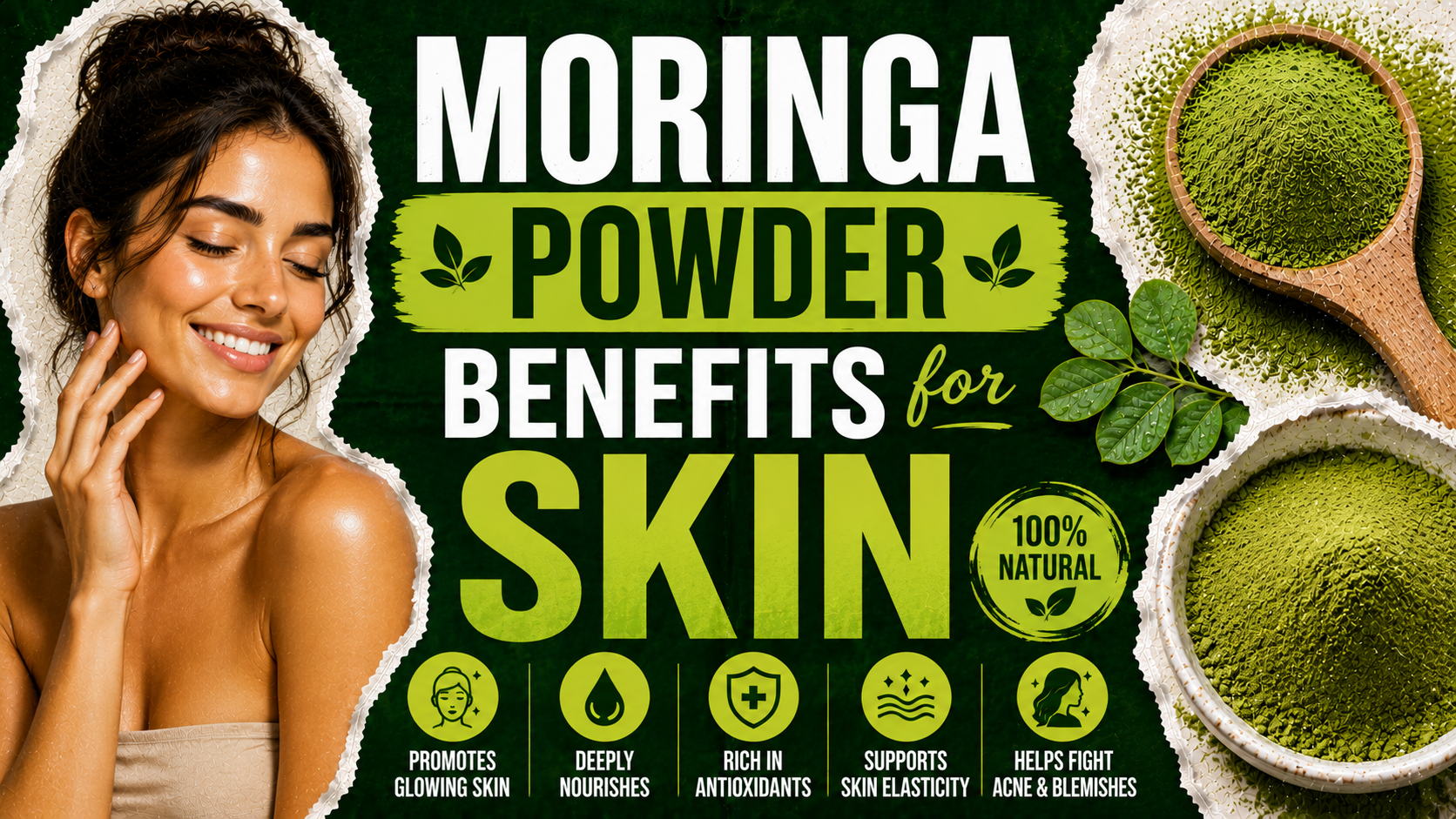
Moringa oleifera has been celebrated for centuries in traditional medicine. Today, beauty enthusiasts and skincare experts are harnessing the power of moringa powder for skin — addressing common concerns from dryness and dullness to premature ageing and environmental damage. This guide explores the top skin benefits and how to integrate moringa into your daily routine.
The short version: Moringa works for skin both internally and topically. As a daily supplement it delivers systemic antioxidant and anti-inflammatory benefits; as a topical ingredient it nourishes the skin barrier directly. Both approaches are valid — and combined they're most powerful.
Potent Antioxidant Protection
Combat Free Radicals and Oxidative Stress
Moringa powder is exceptionally rich in antioxidants — quercetin, chlorogenic acid, and vitamins C and E. These compounds neutralise free radicals, the unstable molecules that damage skin cells, accelerate ageing, and lead to fine lines and wrinkles.
- Quercetin — potent flavonoid that protects cells from oxidative damage and soothes inflammation
- Chlorogenic acid — shown to reduce oxidative stress markers in clinical settings
- Vitamin C — essential for collagen synthesis and immune-driven skin repair
- Vitamin E — fat-soluble antioxidant that protects cell membranes from oxidative damage
A 2023 study in the journal Antioxidants evaluated moringa leaf extracts specifically for topical, skin-focused use and found a strong antioxidant profile, positioning moringa as a genuine ally against skin ageing and oxidative stress.
Powerful Anti-Inflammatory Action
Soothe Redness, Irritation and Acne
Inflammation is at the root of many skin concerns — from redness and rosacea to acne breakouts. The isothiocyanates in moringa exhibit strong anti-inflammatory properties that calm irritated skin.
A randomised clinical trial in patients with rheumatoid arthritis — a chronic inflammatory condition, found that moringa extract significantly reduced IL-6, a key pro-inflammatory marker, over one month. While this trial wasn't skin-specific, it demonstrates moringa's ability to meaningfully reduce inflammatory markers in the human body, supporting its relevance for inflammation-linked skin concerns like redness and breakouts.
The same anti-inflammatory compounds that calm skin are why moringa is also used for joint pain and arthritis and why it supports post-workout recovery. It's a systemic effect — not just skin deep.
"Moringa's anti-inflammatory compounds work from the inside out — calming the systemic inflammation that shows up on your skin before it even reaches the surface."
Enhanced Hydration and Collagen Support
Boost Moisture Retention and Firmness
Moringa is a natural source of essential amino acids, fatty acids and vitamins that support the skin's barrier function. By reinforcing the lipid layer, moringa helps prevent trans-epidermal water loss — one of the leading causes of dry, dehydrated skin.
- Oleic, linoleic and palmitic acids — nurture skin lipids, aiding hydration and suppleness
- Vitamin A — stimulates fibroblast activity, enhancing collagen synthesis for firmer skin
- Vitamin C — essential cofactor for collagen formation, supporting plumper, more resilient skin over time
- Amino acids — building blocks for structural skin proteins including collagen and elastin
These collagen-supporting nutrients are the same reason moringa benefits hair growth and scalp health — both skin and hair rely on the same underlying protein structures.
Defence Against Environmental Stressors
Shield Your Skin from Pollution and UV Damage
Urban pollution and UV radiation generate free radicals that accelerate skin ageing. The phytochemicals in moringa offer a natural defence system that complements your existing skincare routine.
- Sun protection synergy — while moringa isn't a substitute for SPF, its antioxidant compounds can mitigate photodamage by quenching reactive oxygen species produced during sun exposure
- Pollution protection — topical application of moringa-infused masks or serums creates a micro-barrier that helps trap and remove particulate matter from the skin surface
This environmental defence function is also relevant for those going through menopause, when declining oestrogen reduces the skin's natural resilience to oxidative stress and environmental aggressors.
How to Use Moringa Powder for Skin
| Method | How to use | Frequency |
|---|---|---|
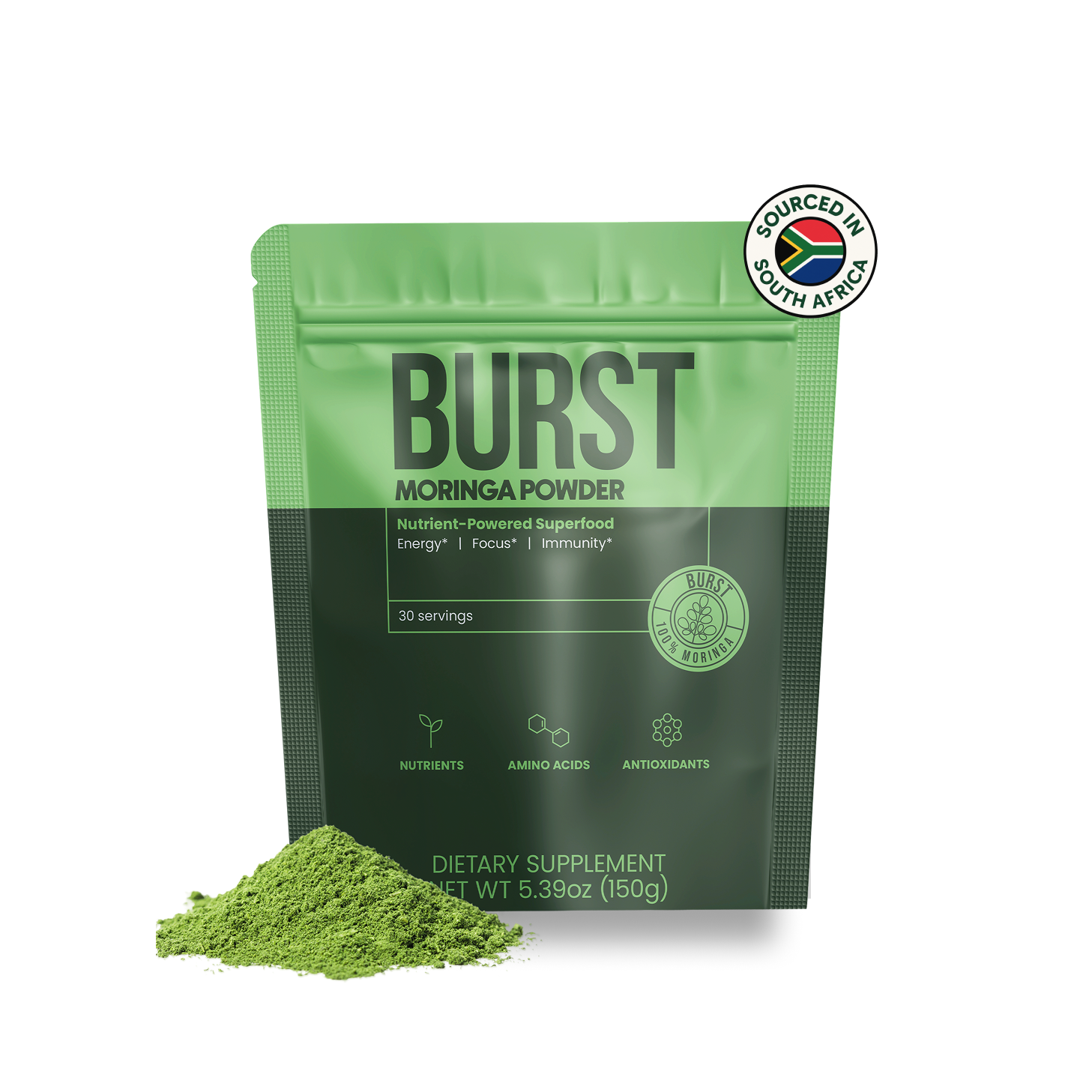
| Daily supplement | 1–2g (½ tsp) of Burst Moringa Powder in water, smoothie or juice each morning | Daily |
| Capsules | Follow label instructions — convenient for consistent daily intake | Daily |
| DIY face mask | Mix 1 tsp moringa powder with yogurt or honey into a paste. Apply to cleansed skin, leave 10–15 minutes, rinse with warm water | 1–2× per week |
| Serum/cream boost | Stir a pinch of moringa powder into your favourite moisturiser or serum to enhance its nutrient and antioxidant profile | As needed |
⚠ Before changing your skincare routine: Always consult a qualified healthcare professional or dermatologist before making changes to your treatment plan, especially if you have a diagnosed skin condition such as rosacea, eczema or severe acne.
Final Thoughts
Nature has provided an incredible gift in moringa powder — a multi-functional ingredient that supports skin health from the inside out. By leveraging its antioxidant, anti-inflammatory and hydrating properties, you can address dullness, dryness and premature ageing to reveal a more radiant, youthful complexion.
Skin is just one part of what moringa delivers. The same nutrients that support your complexion also contribute to hair growth, sustained daily energy, women's health and natural detoxification — making moringa one of the most genuinely all-round daily supplements available. For a realistic timeline of when to expect visible skin improvements, see how long moringa takes to work.
Frequently Asked Questions
Does moringa powder help with acne?
Moringa's anti-inflammatory compounds may help calm redness and irritation linked to breakouts, and its antioxidants support overall skin balance. It isn't a proven acne treatment and shouldn't replace dermatologist-recommended care for diagnosed acne, but it can be a supportive addition to a broader skincare routine.
Can I apply moringa powder directly to my face?
Yes — a common approach is mixing moringa powder with yogurt or honey into a paste for a DIY face mask, used once or twice a week. Always patch-test first, and avoid use on broken or irritated skin.
Does moringa help with anti-ageing?
Moringa's antioxidants (quercetin, chlorogenic acid, vitamins C and E) help protect skin cells from the oxidative damage linked to premature ageing, and its vitamin C content supports collagen production. It works best as part of a consistent routine rather than a quick fix.
How long does it take to see skin results from moringa?
Most people notice improved hydration and texture within 4–6 weeks of consistent use. Changes related to collagen support and overall skin resilience typically take longer, building over 2–3 months or more.
Is moringa good for sensitive skin?
Moringa is generally well tolerated, but as with any new ingredient, patch-test topical use first. Anyone with a diagnosed skin condition such as rosacea, eczema or severe acne should consult a dermatologist before adding moringa to their routine.
Beauty From Within
Wild-harvested, single-origin moringa — grown in nutrient-rich Southern African soil, free from fillers, and processed for maximum absorption.