
Emily is a co-founder of Burst, writes about moringa nutrition, sourcing and supplement quality, drawing on research into plant-based wellness and everyday nutrition.
Article Summary
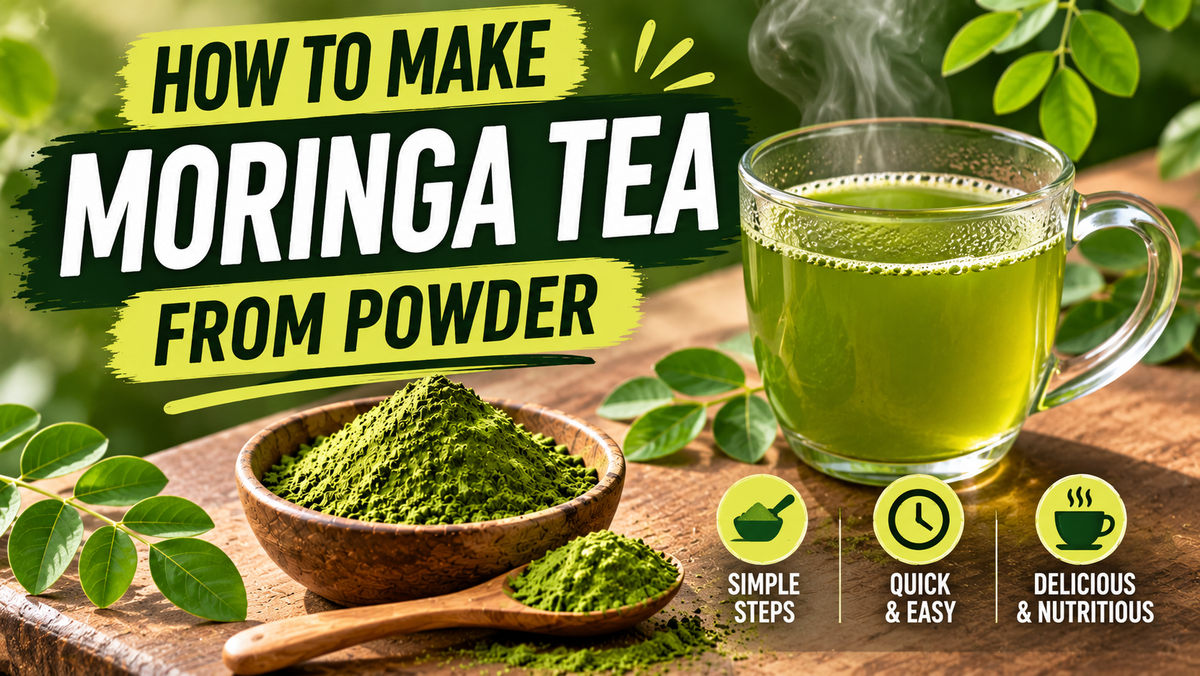
To make moringa tea from powder, stir ½ to 1 teaspoon into a mug, top with water at around 80°C (175°F) rather than boiling, and let it sit for 3 to 5 minutes. Stir again before drinking. That is the whole method, and it takes about four minutes.
Two things most guides skip. Moringa tea is naturally caffeine-free, so it will not keep you awake. And the green sediment at the bottom of the cup is the actual leaf — drink it, don't pour it away, or you leave most of the nutrition behind.
Moringa tea is one of those drinks people want to try before they commit to a daily green powder. It feels like less of a leap than a smoothie.
The trouble is that most instructions for how to make moringa tea were written for tea bags or whole dried leaves. If you own a bag of moringa powder, those instructions quietly steer you wrong, and the result is a cup that tastes bitter and delivers less than it should.
Here is the good news: powder actually makes the better cup. You just brew it differently.
How to Make Moringa Tea from Powder: Step by Step
Four minutes, one mug, no infuser or strainer needed.
- Measure ½ to 1 teaspoon of moringa powder into your mug. If this is your first week, start at ½ teaspoon.
- Add a splash of hot water first and stir it into a smooth paste. This is the step everyone skips, and it is the difference between a smooth cup and a mug of floating green clumps.
- Top up with water at around 80°C (175°F). No temperature-controlled kettle? Boil it, then let it sit for three to four minutes before pouring.
- Leave it for 3 to 5 minutes, covered if you like. Three minutes gives a lighter cup, five gives a fuller one.
- Stir well and drink, sediment and all. Add honey or a squeeze of lemon once it has cooled slightly.
Why not boiling water? Vitamin C and many of moringa's polyphenols are heat-sensitive, and a rolling boil degrades a portion of them. Below boiling you keep more of what you paid for, and you get a noticeably less bitter cup. It is the single easiest thing to get right.

How Much Moringa Powder Per Cup?
Use ½ to 1 teaspoon per 250ml cup, which works out at roughly 2 to 5 grams.
More is not better here. Two teaspoons in one mug turns the texture thick and the flavour aggressively grassy, and it is the fastest way to decide you dislike moringa. One teaspoon is plenty for a full-strength cup.
If you are building a daily routine rather than making an occasional cup, it is worth reading our guide to how much moringa to take per day first, so your tea fits into a sensible total rather than sitting on top of one.
Hot Water or Cold Brew: Which Keeps More of the Nutrients?
Cold brew is gentler on the heat-sensitive compounds and produces a smoother, naturally sweeter drink. Hot brewing is faster and extracts more in a few minutes. Neither is dramatically better than the other.
For cold brew, stir 1 to 1½ teaspoons of powder into 350ml of cold water in a jar, refrigerate for four to eight hours or overnight, then shake hard and pour over ice. The powder settles heavily, so the shake matters more than it does with leaves.
One honest caveat that applies to both methods: water can only pull out what is water-soluble. Vitamin C, polyphenols and some minerals extract reasonably well. Beta-carotene is fat-soluble and largely stays put. Fibre stays put entirely.
Which brings us to the part that actually matters.
Moringa Tea at a Glance: Amounts, Temperature and Steep Time
| Method | Powder | Water | Time |
|---|---|---|---|
| Standard hot cup | 1 tsp per 250ml | 80°C / 175°F | 3–5 min |
| First week / sensitive stomach | ½ tsp per 250ml | 80°C / 175°F | 3 min |
| Cold brew | 1–1½ tsp per 350ml | Cold, refrigerated | 4–8 hrs |
| Iced, in a hurry | 1½ tsp per 150ml, then ice | 80°C / 175°F | 4 min |
| With ginger or lemon | 1 tsp + 2cm sliced ginger | 80°C / 175°F | 4–5 min |
Does Moringa Tea Have Caffeine?
No. Moringa tea is naturally caffeine-free.
This trips people up because moringa powder looks so much like matcha, and matcha is a genuine caffeine source. But they are not related plants. Matcha is ground green tea leaf from Camellia sinensis, which contains caffeine. Moringa is the dried leaf of Moringa oleifera, a completely different tree, and it contains none.
So a cup of moringa tea will not give you a caffeine lift, and it will not keep you up. If you want the full comparison on that point, we have written one on moringa vs matcha — including the honest answer about which one is genuinely better for focus.
People who report feeling more energised on moringa are usually describing something slower and steadier: nutritional support, particularly if iron intake was low to begin with. That is a different mechanism to a stimulant, and it takes longer to show up.
What Are the Benefits of Moringa Tea?
Moringa tea delivers the water-soluble part of the moringa leaf: vitamin C, polyphenols, some minerals, and the antioxidant compounds the leaf is known for.
Research on Moringa oleifera suggests the leaf may support antioxidant status, blood sugar regulation and healthy inflammation levels. Most of that research uses leaf powder or extracts at measured doses rather than a brewed cup, so it is fair to say the tea contributes to those effects rather than reproduces them.
Where moringa tea is genuinely excellent is as a habit. It is caffeine-free, it counts toward your hydration, and it is an easy thing to do at 3pm when you want something warm that is not another coffee. A supplement you actually take every day beats a better one you abandon.
If you are drinking it for blood sugar support specifically, our article on moringa and diabetes covers what the research does and does not show.
What Does Moringa Tea Taste Like, and How Do You Fix It?
Moringa tea tastes clean and earthy, somewhere between green tea and spinach, with a faint peppery finish. It is milder than most people expect. Prepared properly it is not unpleasant.
Bitterness is almost always a preparation problem rather than a quality problem. Three fixes, in order of how often they work:
- Lower the water temperature. Boiling water is the main culprit. Let the kettle stand for three minutes.
- Use less powder. Drop to ½ teaspoon and build back up.
- Add lemon or honey. Lemon lifts the earthiness and brightens the whole cup. Add it once the tea has cooled slightly.
Ginger is the other classic pairing. Two centimetres of thinly sliced fresh ginger steeped alongside the powder gives the cup warmth and a bit of bite.
Moringa Tea vs Moringa Powder in Water: Is There a Difference?
Yes, and it is bigger than it sounds.
When you stir powder into cold water and drink it straight down, you consume the entire leaf: the soluble nutrients, the fat-soluble ones, and the fibre. When you brew powder as tea and drink the sediment too, you get the same thing, just warmer and more pleasant.
When you brew it, let it settle, and pour off the clear liquid, you have thrown away most of the leaf.
A tea bag gives you what the water can pull out. Loose powder gives you the whole leaf, as long as you drink the sediment.
This is the practical reason we sell powder rather than tea bags. A moringa tea bag typically holds 1.5 to 2 grams of leaf, and you discard the bag afterwards. A teaspoon of loose powder is up to 5 grams and none of it gets binned. Same plant, meaningfully different serving.
Related: 12 Ways to Use Moringa Powder
Tea is one option. If you want the full set, including the right dose, the mistakes that cause first-week digestive discomfort, and what to do if you dislike the taste, this is the complete guide.
Read the full guide →Can You Drink Moringa Tea Before Bed?
Yes. Because moringa contains no caffeine, a cup in the evening will not interfere with sleep the way green or black tea can.
Two small practical notes. Moringa has a mild diuretic effect for some people, so a large mug right before bed may mean a trip to the bathroom. And if you find moringa sits heavily on an empty stomach, an evening cup with or after food tends to be more comfortable than one on its own.
There is no strong evidence that moringa actively helps you sleep. It simply does not stand in the way, which is more than most warm drinks in the tea aisle can say.
Is Moringa Tea Safe While Breastfeeding?
Moringa leaf is widely used by nursing mothers and is generally considered safe in moderate amounts, but check with your healthcare provider before starting.
Moringa leaf has a long history as a galactagogue, particularly in the Philippines, where it is known as malunggay. The preliminary research is promising rather than conclusive. Our article on moringa and postnatal recovery goes through what the studies actually found and what a sensible dose looks like.
The important distinction is the part of the plant. Only pure leaf is appropriate. Moringa root, bark and flowers are not, and should be avoided entirely.
⚠ Worth knowing: Moringa is not recommended during pregnancy, and our guide to moringa and pregnancy explains why. Moringa may also lower blood sugar and blood pressure, so if you take medication for diabetes, hypertension or thyroid conditions, speak to your doctor before making it a daily habit. Some people notice mild digestive changes in the first week, which usually settle. Starting at ½ teaspoon rather than a full one makes that far less likely.
How to Work Moringa Tea Into Your Routine
- Pick a slot and keep it. Mid-morning or mid-afternoon works for most people, because that is when the alternative is another coffee.
- Keep the powder off the counter. Light, heat and moisture degrade it quickly. An airtight container in a cupboard, not a clear jar beside the hob.
- Make a cold brew jug on Sunday. Four to eight hours in the fridge means iced moringa is ready all week.
- Stir before every sip, not just at the start. The powder keeps settling as you drink.
- Give it a fortnight before you judge it. Nutritional changes are gradual. Our piece on how long moringa takes to work sets realistic expectations.
Why Loose Powder Beats a Tea Bag
If you take one thing from this, make it the water temperature. Knowing how to make moringa tea well comes down to not boiling it, not overloading the cup, and stirring the sediment back in instead of leaving it behind.
The reason we have never launched a moringa tea bag is not a gap in the range. It is that a tea bag caps what you can get out of the leaf. It holds a fixed one and a half to two grams, the water extracts a fraction of that, and the rest goes in the bin. Loose powder gives you control of the dose, lets you brew it hot or cold, and lets you drink the whole leaf on the days you want to.
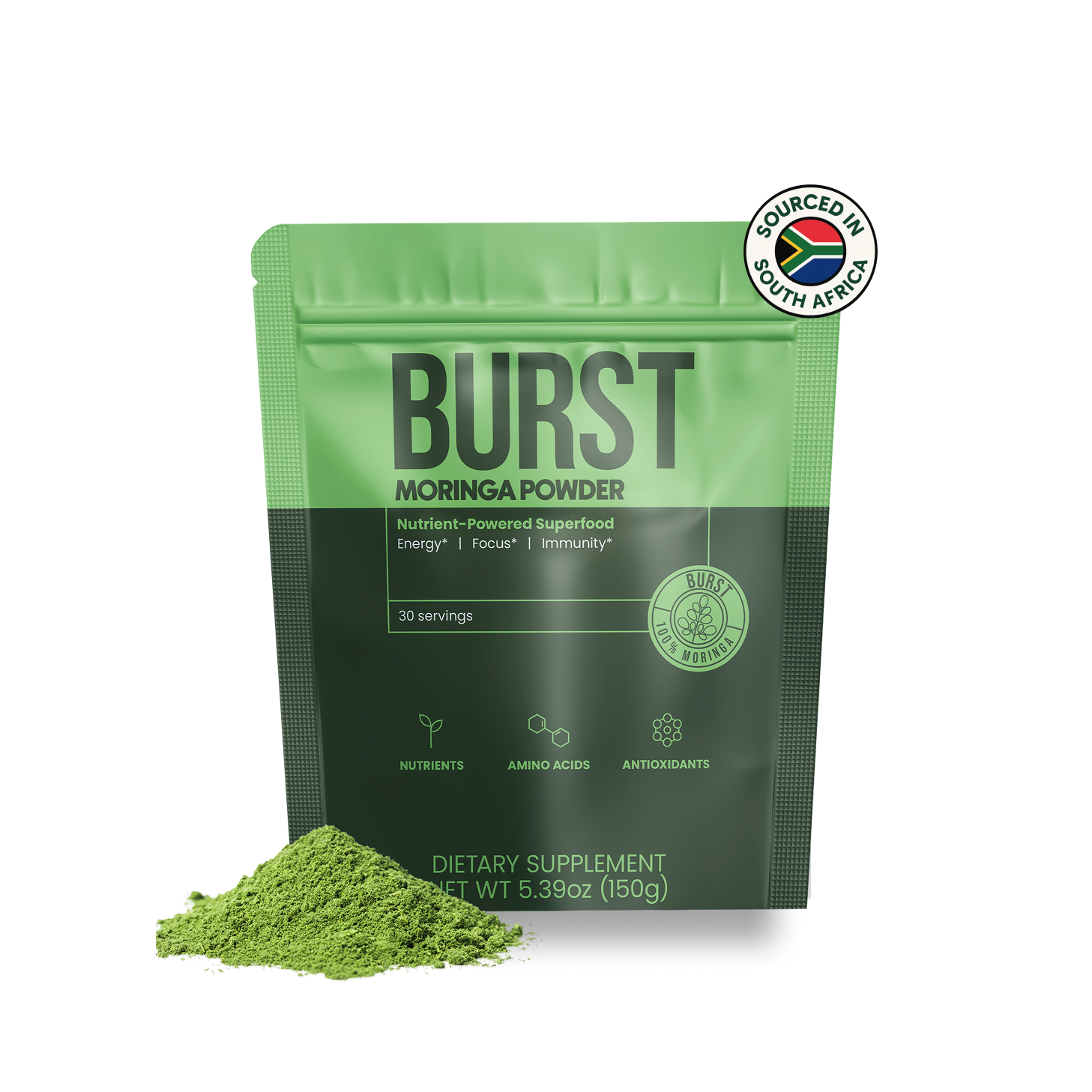
Our moringa is single-origin from one South African farm, shade-dried to protect the colour and the heat-sensitive compounds, and third-party tested with the results published. That is what ends up in the mug. Brew it at 80°C, give it four minutes, and it will be a genuinely good cup of tea that happens to be doing something useful.
How to Make Moringa Tea: Frequently Asked Questions
Can you make moringa tea with moringa powder instead of leaves?
Yes, and it is arguably better. Use ½ to 1 teaspoon per cup, stir it into a paste with a little hot water first, then top up. There is no need to strain it.
Does moringa tea have caffeine?
No. Moringa is not a true tea and contains no caffeine at all, so it can be drunk at any time of day, including the evening.
How many cups of moringa tea can you drink a day?
One to two cups a day suits most people. What matters is your total daily moringa intake rather than the number of cups, so count your tea toward your overall dose rather than in addition to it.
Should you drink the powder at the bottom of the cup?
Yes. That sediment is the leaf itself, and it holds the fibre and the fat-soluble nutrients that never dissolve into the water. Stir and drink it.
Can you use boiling water for moringa tea?
You can, but it is the most common mistake. Boiling water makes the cup noticeably more bitter and degrades some of the vitamin C and polyphenols. Let the kettle stand three to four minutes first.
What is moringa tea good for?
It is a caffeine-free way to get moringa's water-soluble antioxidants and vitamin C, and it contributes to daily hydration. Research suggests moringa leaf may support antioxidant status, blood sugar regulation and healthy inflammation levels, though most studies use measured leaf powder doses rather than brewed tea.
Does moringa tea go bitter if you leave it too long?
Past about five minutes, yes. Bitterness builds quickly after that point, so set a timer until you have a feel for it.
Brew it with the real thing
Single-origin, shade-dried, third-party tested
Best value per serving
Moringa Powder
One measured 5g scoop — 5,000mg — into water, juice or a smoothie. Mildly earthy. Full control over your dose.
Shop Powder →Easiest to stick to
Moringa Capsules
Four capsules after breakfast. No taste, no measuring, no prep — built for mornings that don't go to plan.
Shop Capsules →Subscribe and save up to 48% on your first month, then 10% off for life. Pause or cancel anytime.
Free US shipping · 30-day money-back guarantee · Third-party tested, results published
Not sure which? Read moringa powder vs capsules.